
Table of contents
In September 2026, UK independent garages are seeing a massive surge in engine issues as vehicles return from heavy summer mileage. Indeed, the premature wear of “wet belt” (belt-in-oil) engines, which are increasingly common in the modern fleet, has become a major industry challenge. Consequently, mastering wet belt engine maintenance requires absolute precision, particularly regarding the choice of lubricants used during routine servicing.
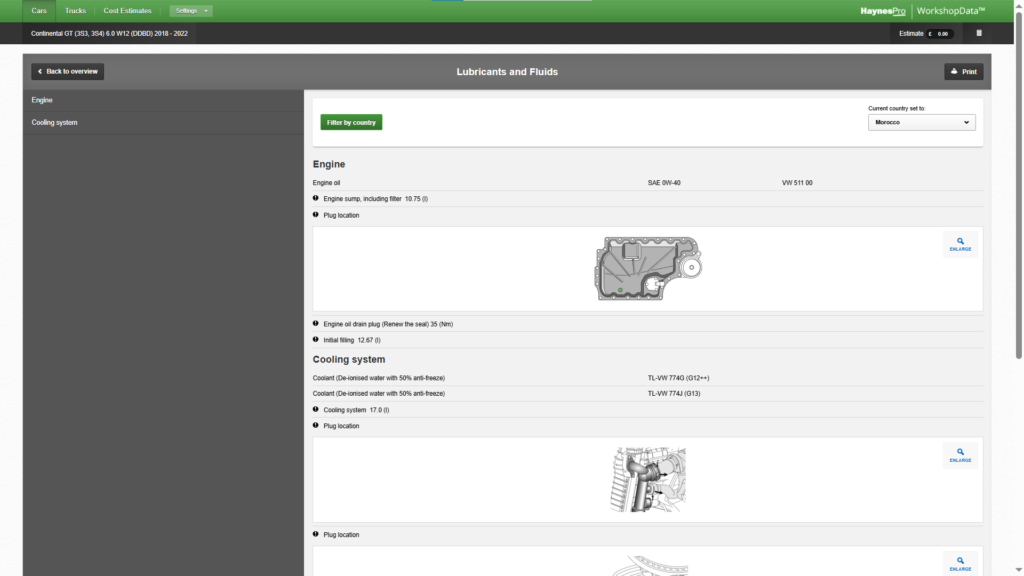
In this context, relying on memory or generic oil grades is a dangerous gamble. Integrating HaynesPro through MecaInfo solutions allows mechanics to instantly access the exact OEM oil specifications required for each specific engine code. Thus, the technician completely avoids using incompatible fluids, preventing fatal mechanical degradation for the customer’s vehicle.
Why this evolution is critical in the modern workshop
Currently, many recent vehicle architectures (2024-2026) rely on a timing belt running directly inside the engine oil to reduce friction and lower CO2 emissions.
However, using a lubricant that does not strictly meet the manufacturer’s chemical specification (even if the viscosity is correct) aggressively degrades the belt’s elastomer material.
Therefore, the impact of this technical negligence strikes your garage’s stability very hard:
- Financially: Having to cover the cost of a full engine replacement because the oil pickup strainer was blocked by shredded belt debris instantly destroys the profitability of your entire week.
- Organisationally: A vehicle stuck on a ramp for an unexpected engine swap completely paralyses your busy autumn schedule.
- Legally: Filling the sump with non-approved oil invalidates the manufacturer’s warranty and places the liability directly on the repairer, a compliance issue closely monitored by the Independent Garage Association (IGA).
For example, a classic mistake during a fast-fit service is using a generic 0W-20 oil without checking its chemical compatibility with the wet belt. Without this vital check, the oil additives attack the belt’s coating
. Ultimately, the belt frays, the debris clogs the oil pump, oil pressure drops suddenly, and the engine suffers catastrophic failure on the motorway.
Solutions and methods to secure your repairs
Fortunately, by adapting your maintenance protocols, servicing these engines remains a reliable and highly profitable revenue stream. To discover more technical tips to prepare your workshop for the autumn rush, check out our latest articles on the MecaInfo news page. Here are the golden rules to implement in your bays:
- Always check the physical condition of the belt through the oil filler cap using a specific measuring gauge before accepting any oil change job.
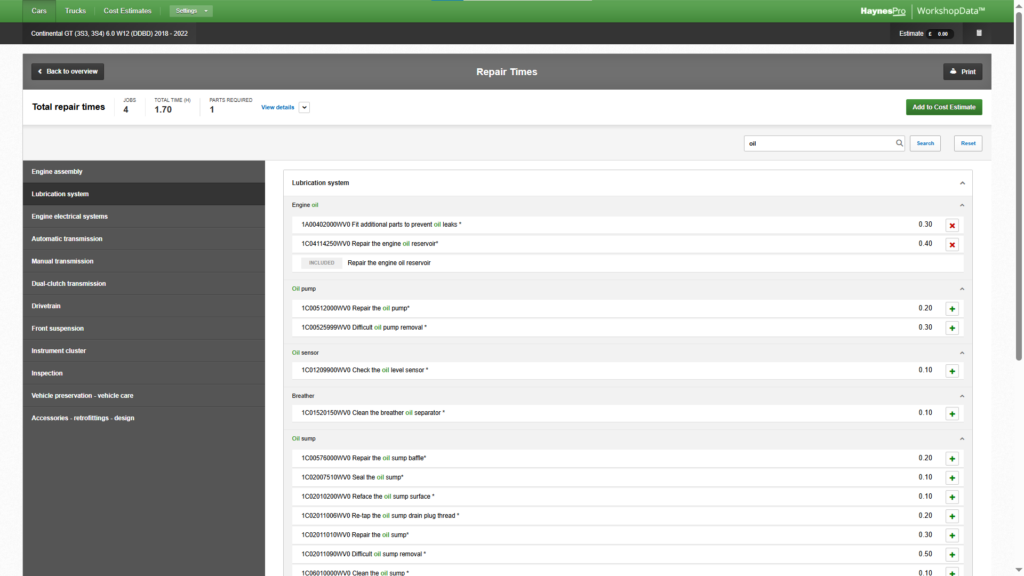
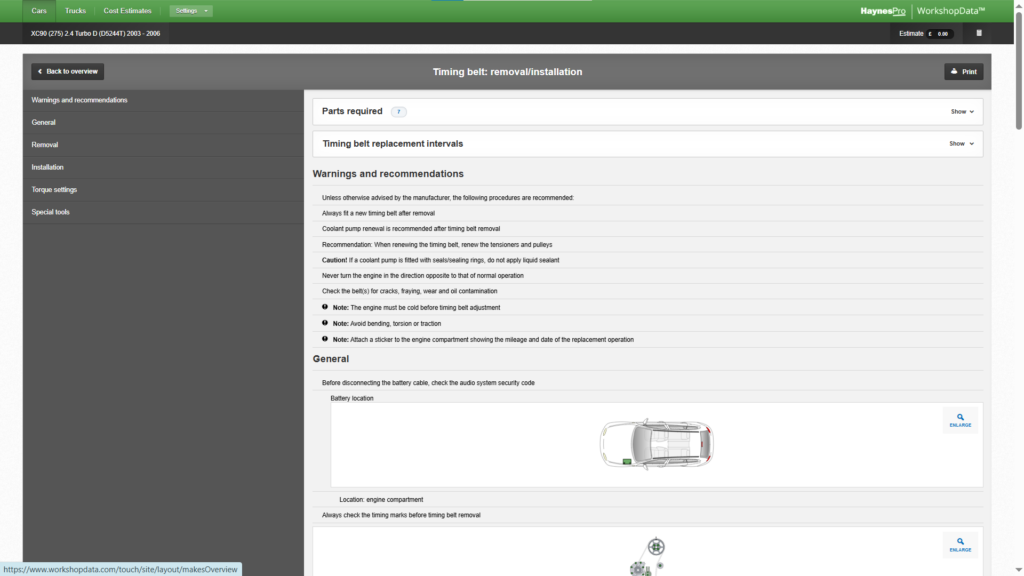
- Consult HaynesPro to identify the exact OEM oil standard required and the latest replacement intervals, which are frequently revised downwards by manufacturers.
- Systematically inspect and clean the oil pump strainer when replacing a wet belt, a safety recommendation supported by the Driver and Vehicle Standards Agency (DVSA).
- Clearly document the exact technical specification of the oil used on the customer’s invoice to legally protect your business in case of future disputes.
Strategic conclusion
In summary, maintaining belt-in-oil engines no longer tolerates guesswork and transforms a simple oil change into a high-risk technical operation. Consequently, by strictly adhering to manufacturer recommendations, your workshop secures your customers’ vehicles while consolidating its technical expertise.
Ultimately, to confidently tackle these complex requirements, immediate access to manufacturer information is essential. HaynesPro provides the exact oil specifications, revised service intervals, and step-by-step OEM repair procedures. By choosing HaynesPro through MecaInfo, you equip your UK workshop with the definitive digital tools to diagnose, quote, and thrive flawlessly in the complex 2026 automotive aftermarket.
HaynesPro remains a recognised reference across the UK for structured OEM technical data and diagnostic procedures aligned with current vehicle architectures.
In 2026, diagnostics are no longer a preliminary step. They form the technical foundation of workshop performance, credibility, and long-term sustainability. Manufacturer data is not optional; it is the framework that ensures reliability, compliance, and efficiency.
By integrating HaynesPro’s diagnostics and repair protocols, workshops can offer comprehensive battery checks, ensuring that all EVs are winter-ready and compliant with the evolving standards for 2026.
For those interested in exploring Haynes Pro’s features before committing, the Haynes Pro free trial and Haynes Pro free access options are perfect starting points.
With the free trial, users can test out the software’s full range of features, including detailed vehicle repair data, diagnostic tools, and step-by-step guides.
For those looking for a more limited yet valuable introduction, Haynes Pro free offers essential resources such as vehicle specifications and basic repair instructions, making it a great way to get familiar with the tool.
Why HaynesPro Is a Game-Changer for Multi-Brand Workshops
HaynesPro 2025 Updates: Expanded Vehicle Coverage
👉 Start your 7-day free trial
📩 Contact us
💼 View Mecainfo pricing