In September 2026, UK independent garages are already preparing for the seasonal shift, with drivers planning their winter tire changeovers.
Indeed, the rapid rise of modern electric vehicles (EVs) has fundamentally changed tire pressure monitoring technology.
Consequently, mastering Bluetooth TPMS sensor calibration (Bluetooth Low Energy) has become an absolute necessity to prevent a routine tire change from turning into a complex electronic failure.
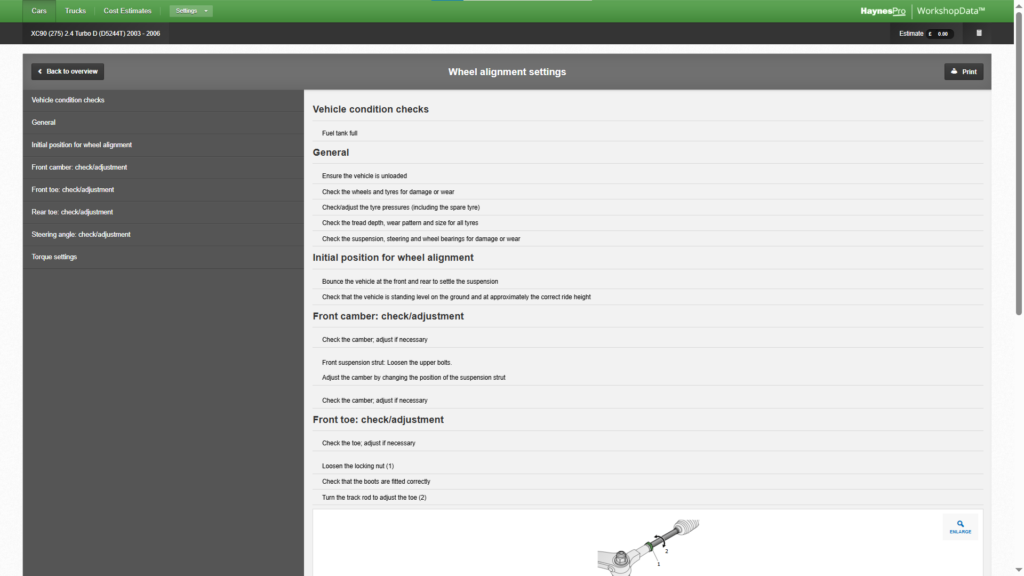
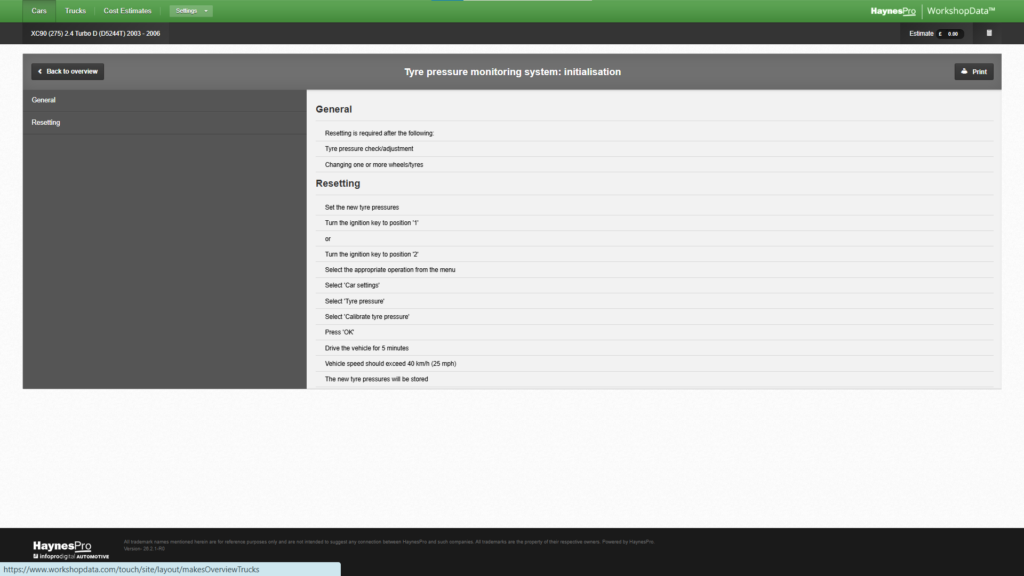
In this context, relying on outdated tools or working blindly is a guaranteed path to failure. Integrating HaynesPro through MecaInfo solutions allows mechanics to instantly identify if the vehicle uses BLE sensors and access the exact OEM relearn procedure. Thus, the technician can prepare the correct diagnostic equipment in advance, ensuring the vehicle’s ECU instantly recognizes the new valves.
Why this evolution is critical in the modern workshop
Currently, many recent vehicles (2024-2026) are moving away from traditional 433 MHz radio frequencies, favoring Bluetooth TPMS sensors that transmit richer, more secure data.
However, these modern sensors require updated diagnostic tools and specific software protocols to be “woken up” and correctly paired with the vehicle’s multiplex network.
Therefore, the impact of mishandling this technology strikes hard at your garage’s stability:
- Financially: Mistakenly ordering four standard 433 MHz sensors for a modern EV requiring BLE technology completely destroys the profit margin of the job.
- Organisationally: A vehicle stuck on the ramp because the TPMS tool fails to communicate with the new valves entirely disrupts your daily workflow.
- Legally: Returning a car with a flashing tire pressure warning light constitutes a major safety defect, a compliance issue rigorously monitored by the Driver and Vehicle Standards Agency (DVSA).
For example, a very common mistake during the winter tire rush is fitting standard universal sensors to a latest-generation EV.
Without checking the OEM technical specifications beforehand, the car remains unable to detect the wheels. Ultimately, the customer leaves with a permanent puncture alert, leading to total dissatisfaction and a costly workshop comeback.
Solutions and methods to secure your repairs
Fortunately, by adapting your reception and preparation processes, modern tire servicing remains a highly lucrative revenue stream. To discover more technical advice on preparing your workshop for the colder months, feel free to read our latest articles on the MecaInfo news page.
Here are the golden rules to implement in your bays:
- Always identify the exact TPMS technology (Direct, Indirect, RF 433 MHz, or BLE) via HaynesPro as soon as the customer books their appointment.
- Update the software on all your diagnostic tools and TPMS devices to guarantee compatibility with the latest Bluetooth protocols, a best practice supported by the Independent Garage Association (IGA).
- Strictly follow the OEM relearn path (auto-relearn, OBD activation, etc.) detailed in the technical data.
- Educate your customers on the importance of fitting approved sensors to avoid the deactivation of critical Advanced Driver Assistance Systems (ADAS) linked to the ESP.
Strategic conclusion
In summary, fitting a tire is no longer just about mechanical balancing; it now involves a genuine wireless connectivity update.
Consequently, by anticipating these technological requirements before the winter rush, your workshop ensures smooth, professional interventions with zero customer comebacks.
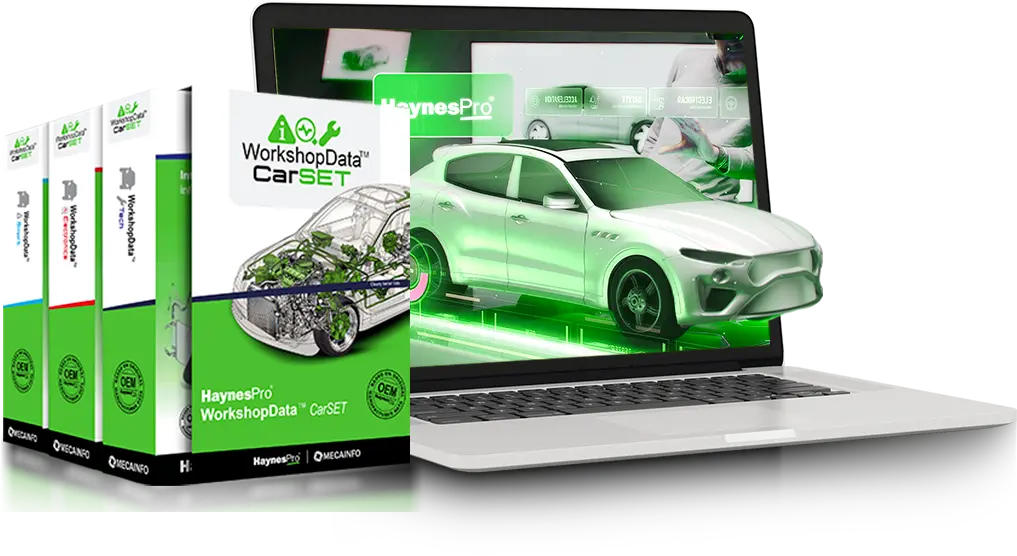
Ultimately, to confidently tackle these daily technical challenges, immediate access to manufacturer information is essential. HaynesPro provides the exact TPMS specifications, relearn procedures, and OEM safety protocols. By choosing HaynesPro through MecaInfo, you equip your UK workshop with the definitive digital tools to diagnose, quote, and thrive flawlessly in the complex 2026 automotive aftermarket.
HaynesPro remains a recognised reference across the UK for structured OEM technical data and diagnostic procedures aligned with current vehicle architectures.
In 2026, diagnostics are no longer a preliminary step. They form the technical foundation of workshop performance, credibility, and long-term sustainability. Manufacturer data is not optional; it is the framework that ensures reliability, compliance, and efficiency.
By integrating HaynesPro’s diagnostics and repair protocols, workshops can offer comprehensive battery checks, ensuring that all EVs are winter-ready and compliant with the evolving standards for 2026.
For those interested in exploring Haynes Pro’s features before committing, the Haynes Pro free trial and Haynes Pro free access options are perfect starting points.
With the free trial, users can test out the software’s full range of features, including detailed vehicle repair data, diagnostic tools, and step-by-step guides.
For those looking for a more limited yet valuable introduction, Haynes Pro free offers essential resources such as vehicle specifications and basic repair instructions, making it a great way to get familiar with the tool.
📘 See also: Why HaynesPro Is a Game-Changer for Multi-Brand Workshops
📘 See also: HaynesPro 2025 Updates: Expanded Vehicle Coverage
👉 Start your 7-day free trial
📩 Contact us
💼 View Mecainfo pricing